
Lime Mortar Specialists & Contractors in York & North Yorkshire
Lime pointing, lime plaster and render, limewash and stone and brick repairs for listed, period and stone-built homes. We're a local lime mortar company based in Tollerton near Easingwold, working as lime contractors across York, Harrogate, Thirsk and the villages in between.
Why old buildings need lime, not cement
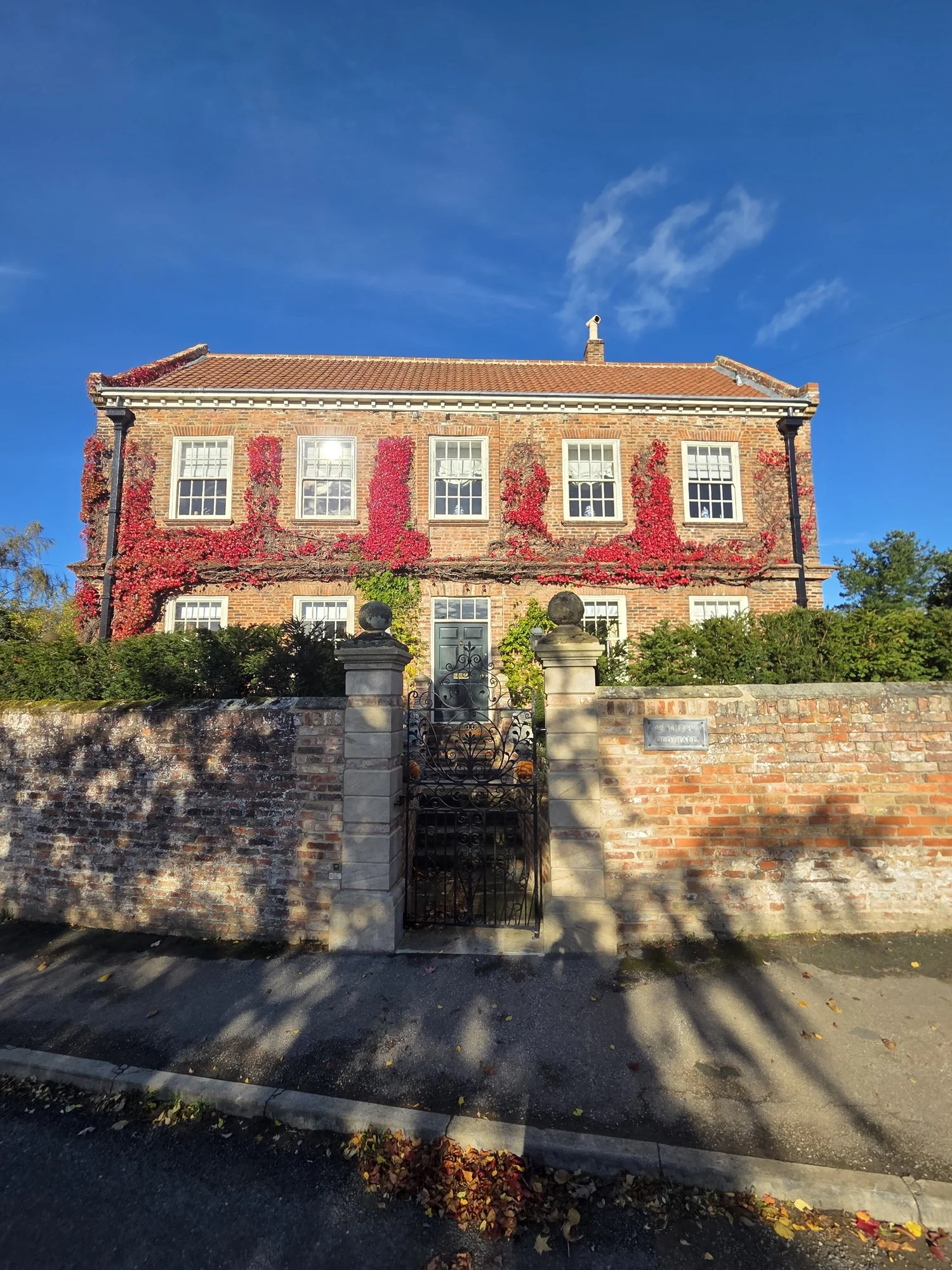
Almost every house built before about 1920 was built with lime. These solid-walled buildings have no cavity and no damp-proof course. They stay dry by letting moisture evaporate out through the mortar joints and the plaster.
Lime mortar is softer and more breathable than the stone or brick around it, so it takes the wear and lets the wall dry out. That is how it should be: the joint is the part that gets renewed every few generations, not the stone.
Hard grey cement pointing and render do the opposite. They trap moisture inside the wall, which then freezes and blows the faces off soft brick and stone, and it shows up indoors as damp patches, failing plaster and rotting timbers. We see this damage on older homes around York and Easingwold every year, and most of it comes from well-meant cement repairs.
Our lime services
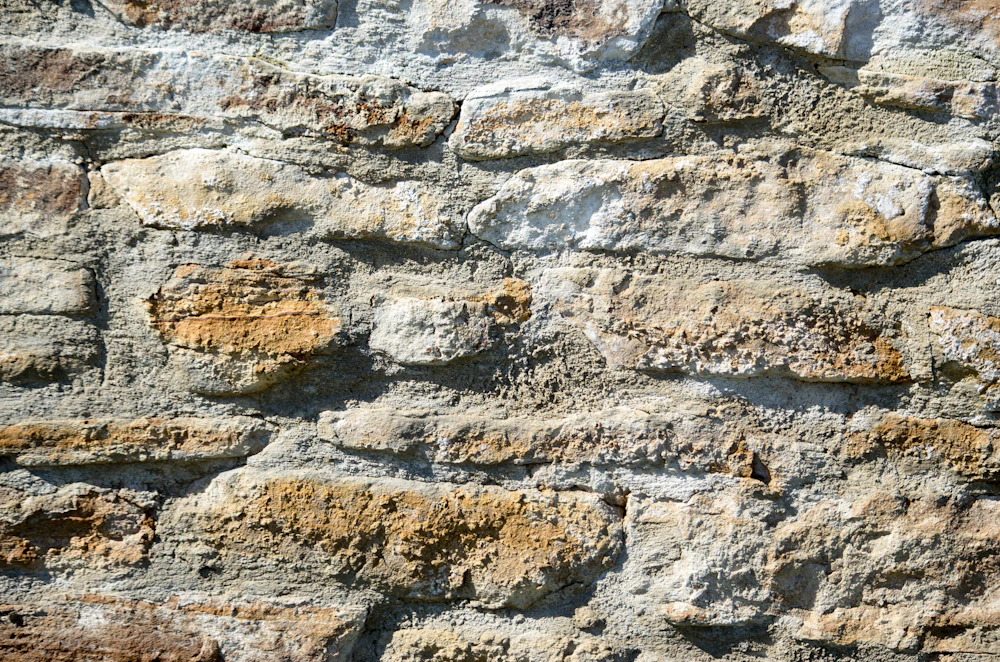
Lime pointing and repointing
Brick and stone walls, chimneys, boundary walls and outbuildings. We rake out failing or cement pointing by hand so the edges of the brick and stone aren't damaged. Then we repoint in a lime mortar matched to the original, finished flush, brushed or bagged to suit the building. We carry out lime repointing across York and North Yorkshire, from repointing brickwork on York's Victorian and Georgian houses to repointing Yorkshire stone cottages, farmhouses and boundary walls.
Lime plaster and lime render
Traditional three-coat lime plaster on lath or solid walls, and patch repairs that blend into existing work. Outside, we do lime render and roughcast that protect the wall while letting it breathe, in place of cement render that cracks and holds water.
Limewash
Limewash is a breathable, traditional finish for lime render, stone and brick, inside and out. Unlike modern masonry paints, it doesn't seal moisture into the wall.
Stone and brick repairs
Cutting out and replacing decayed stone and brick, matched to the original, and rebuilding failing sections of walls, chimneys and boundary walls in lime. Repairs that sit quietly with the old work rather than standing out.
Hot-mixed lime and natural hydraulic lime (NHL)
Not all lime is the same. Hot-mixed lime gives the softest, most breathable and most traditional mortar, and suits most historic walling. Natural hydraulic lime (NHL) sets harder and faster, which helps on exposed work such as chimneys, copings and parapets. We choose the right binder and sand for each wall rather than using one mix everywhere.
How we approach a lime job
- Look at the building first. We work out what the existing mortar is, where any damp is coming from, and why the pointing or plaster has failed, so we fix the cause and not just the symptom.
- Match the mortar. We match the sand colour and grading, the binder and the finish to the original. On larger or listed jobs we put up sample panels for you, and the conservation officer if needed, to approve.
- Do the work properly. Joints are raked out to the right depth by hand, the wall is dampened before pointing, and the mortar is pressed well into the joint and finished once it has firmed up.
- Protect it while it cures. Lime cures slowly and needs protecting from frost, hot sun and drying winds. We plan external lime work around the weather and cover and mist the work while it sets.
Listed buildings and conservation areas
Repointing or re-rendering a listed building in a different material or finish usually needs listed building consent. Careful like-for-like repairs often don't, but always check with your council's conservation officer before work starts. You can check whether your home is listed on the Historic England list.
We work alongside your architect, heritage consultant and conservation officer, and build exactly to the approved details. Read more about our listed building and period property work.
Where we work
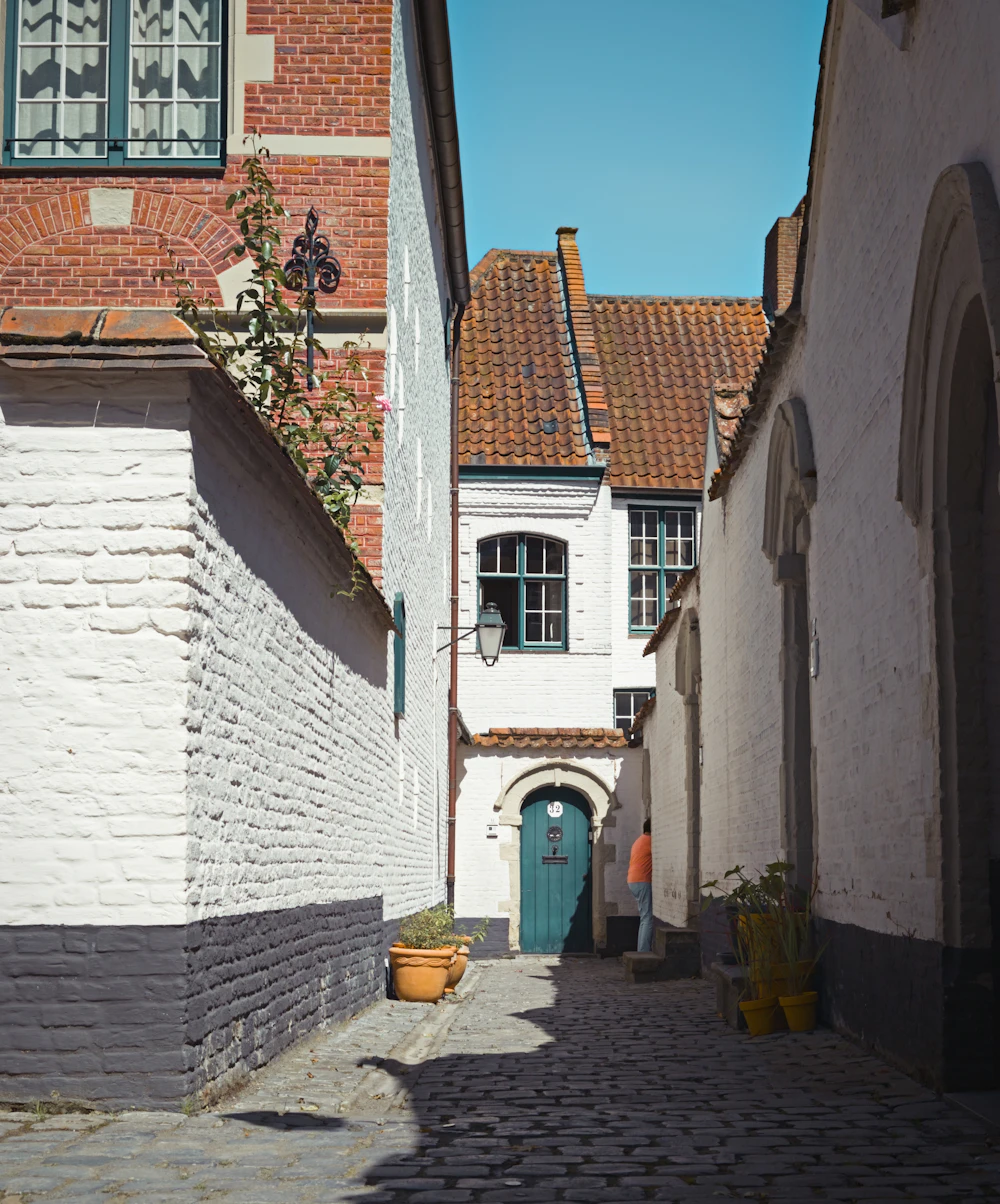
As a local lime mortar contractor based in Tollerton, we carry out lime pointing, lime plastering and stone and brick repairs across York and North Yorkshire, including:
- Easingwold, Tollerton, Alne, Huby, Stillington and Husthwaite
- York and the surrounding villages
- Thirsk, Boroughbridge, Helmsley, Coxwold and Oldstead
- Harrogate and Knaresborough
Lime mortar questions
Can lime pointing be done in winter?
External lime work must not freeze while it cures, so we mainly do it from spring to autumn and protect it with hessian and covers. Internal lime plastering can be done all year, as long as the building is kept above freezing and well ventilated.
How long does lime mortar take to cure?
Lime firms up within a few days but keeps hardening for months as it slowly takes in carbon dioxide from the air. The first couple of weeks matter most: it needs keeping damp and protecting from frost, sun and wind.
Is cement pointing on an old house really a problem?
On soft brick and stone it usually is. Cement is harder and less breathable than the masonry, so water gets trapped and the brick or stone erodes instead of the joint. Where cement is causing damage, we carefully remove it and repoint in lime.
Do I need listed building consent to repoint?
If your home is listed and the work changes the material, colour or finish of the pointing, you will usually need consent. Like-for-like lime repairs often don't. Check with your conservation officer; we're happy to help with the details.
Will new lime pointing match the old?
That's the aim. We match the sand, colour and finish of the original mortar, and new lime pointing tones down further as it weathers. On listed or highly visible walls we do sample panels first.
Talk to us about your lime work
Tell us about your property and we'll arrange a visit to look at the walls, pointing or plaster with you.
Other photos: Unsplash (illustrative).